VIBRATO NEWSROOM
What is in the Be Ready checklist as Britons urged to stock up to survive potential cyber or climate emergencies?
The British public is being urged to stockpile food, water and emergency supplies as part of national efforts to prepare the UK for any potential crises.
Jenness Mitchell, Scotland reporter
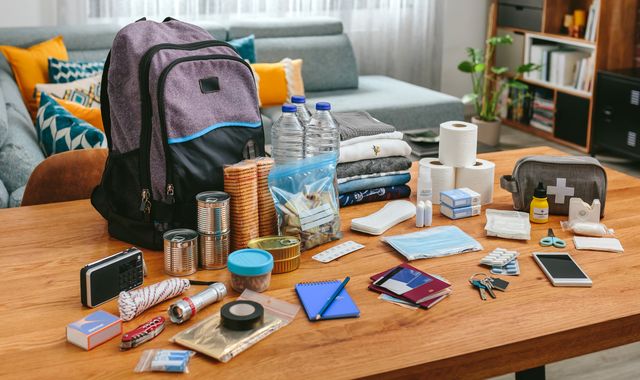
The government’s “Be Ready” campaign is aiming to help households and businesses brace for emergencies, including cyberattacks, severe weather, and disruption to essential services.
Defence Secretary Wes Streeting has said he wants people to be “alert but not alarmed” amid accusations the new advice to stockpile enough resources for three days was scaremongering.
Mr Streeting said it is important to ask households and businesses if they are prepared and how they would respond in the event of an everyday challenge manifesting into something more serious.
He added: “But we’ll also need to take the country a step further and ask them are they prepared for increasingly sophisticated cyberattacks on our businesses, are they prepared for the eventuality that there may be disruption to essential supply chains caused by hostile state actors or terrorists?
“How would we cope if the payment systems at the local supermarket went down?
“Those are the sorts of everyday challenges and threats that we could face, and it’s right that we ask the country to be ready for those things and ask everyone to do their bit.”
The advice – revealed on 22 October – is the first stage of a three-year campaign.
So, what is in the Be Ready checklist?
Water
ÔÇó Enough bottled water for three days. The guidance advises three litres of water per person per day for drinking. More would be needed for other tasks such as cooking and washing.
Food
ÔÇó Enough non-perishable food for three days. Food with a long shelf life that does not need refrigeration or cooking, for example tinned meat, fish or vegetables, dried fruit and nuts. The advice says it’s best to buy food you would usually eat.
Hygiene
ÔÇó Hand sanitiser, wet wipes, hygiene and bathroom products.
Light and warmth
ÔÇó A torch and spare batteries – as that is safer than candles – alongside blankets, sleeping bags and warm clothing.
Communication and information
ÔÇó A battery-run or wind-up FM radio. This would be used for updates during outages, with the advice saying to write down frequencies of local and national radio stations you use for news.
ÔÇó A charged power bank to charge mobile phones or compatible medical devices.
Money and documents
ÔÇó Cash – a mix of coins and notes in case electronic payments or ATMs are disrupted – and cards. The advice says the amount of cash you should keep depends on your family’s specific need for essentials.
ÔÇó Copies of IDs and important documents, such as passports, birth certificates, insurance policy details, and instructions for any medical equipment you rely on.
ÔÇó Important phone numbers and information. Write down the contact details of who you would need to contact in an emergency – including anyone who might need checking in on – and a list of any regular medication and doses.
Medical and health
ÔÇó A first aid kit and first aid items, such as waterproof plasters, bandages, a thermometer, antiseptic, eyewash solution, sterile dressings and gloves, medical tape for dressings, and tweezers.
ÔÇó Essential medication and medical supplies. The advice says to always leave enough time to request repeat prescriptions so you have less chance of running out in an emergency. It is important to request prescriptions up to five working days before you need your medicine.
Baby products
ÔÇó Baby formula, nappies and wipes. The advice says ready-made or “ready-to-feed” formula is best, as you may not be able to boil water to make up powdered formula safely.
Pet products
ÔÇó Pet food and additional bottled water.
To get started, Britons are being urged to see what they already have, plan for their household, build their stockpile gradually to help spread the cost, and check it regularly to make sure the items remain in date.
The government also advises speaking to neighbours about what extra support could be shared during an outage.
Laura Scott, British Red Cross director for UK resilience, said: “We can’t control when emergencies happen, but we can all take some simple steps to be prepared, so that when they do, we are ready to help our friends, families and neighbours.
“We know from our work across the UK that local people know their communities best and want to play a part when a crisis happens.
“Having clear and trusted advice for people, especially those who may be more at-risk, could help reduce the impact of crises and even save lives.”